
Published on June 8, 2026
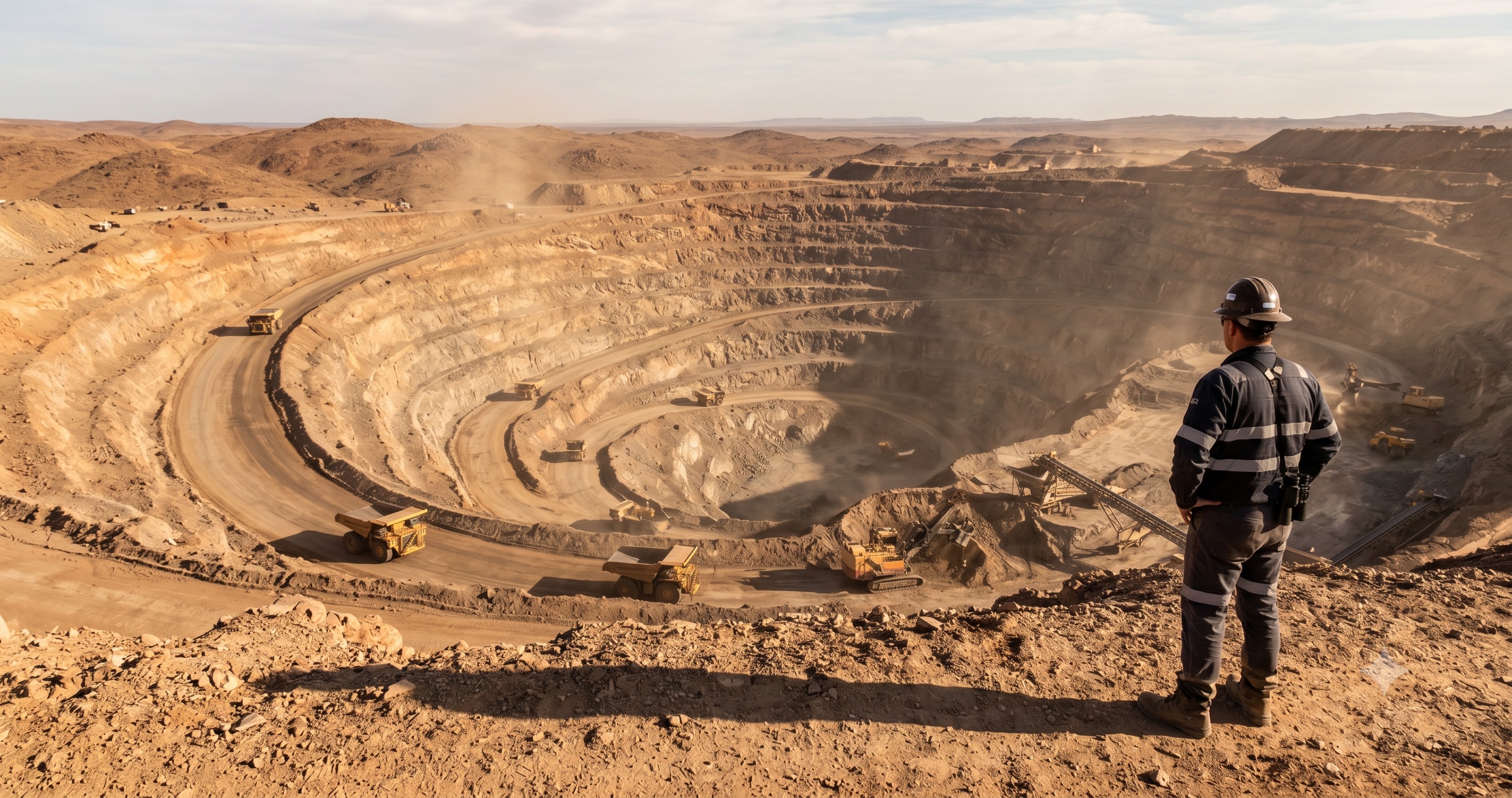
Global dependence on Chinese rare earths is often framed as a geological inevitability. The science challenges this narrative significantly.
What the Science Confirms
The scientific literature is clear: global dependence on China results more from strategic choices than from geological necessity.
→ Dispersed global reserves: the United States, Brazil, Vietnam, Australia and India hold significant deposits — ion-adsorption clays in Brazil, coal deposits in the US, major reserves across Southeast Asia.
→ Value chain control: China holds 90% of global processing capacity, far beyond its share of geological reserves.
→ Deliberate industrial policy: three decades of centralized planning, R&D investment and regulatory control built this position.
What Research Qualifies
Alternatives exist, but their development faces real obstacles. Environmental regulations, infrastructure costs and industrial ramp-up timelines slow the emergence of competitors. India, despite significant reserves, struggles to develop its sector due to aging infrastructure. The bottleneck is not geological — it is economic and regulatory.
Open Questions for Research
→ What is the true long-term economic viability of alternative sources, factoring in full environmental costs?
→ How could coordinated regulatory frameworks between producing countries accelerate supply diversification?
→ To what extent can innovative extraction technologies shift the economic equation for non-Chinese deposits?
Sources
- Medeiros et al. (2025). Applied Sciences.
- Chen & Hu (2026). Journal of Global Engineering Review.
- Gorin (2025). Ìstorìâ narodnogo gospodarstva.
- Mastalerz et al. (2025). Indiana Journal of Earth Sciences.
📄 Associated Scinuance Report
Access the full report on rare earth dependency: complete scientific sources, bibliography analysis, and synthesis of uncertainties.
View the report →Want to explore a scientific topic that interests you? Try Scinuance AI for free, no account needed.
Try Scinuance AI →